Joe Wicks' “Killer Bar” Stunt - Misleading or Helpful?
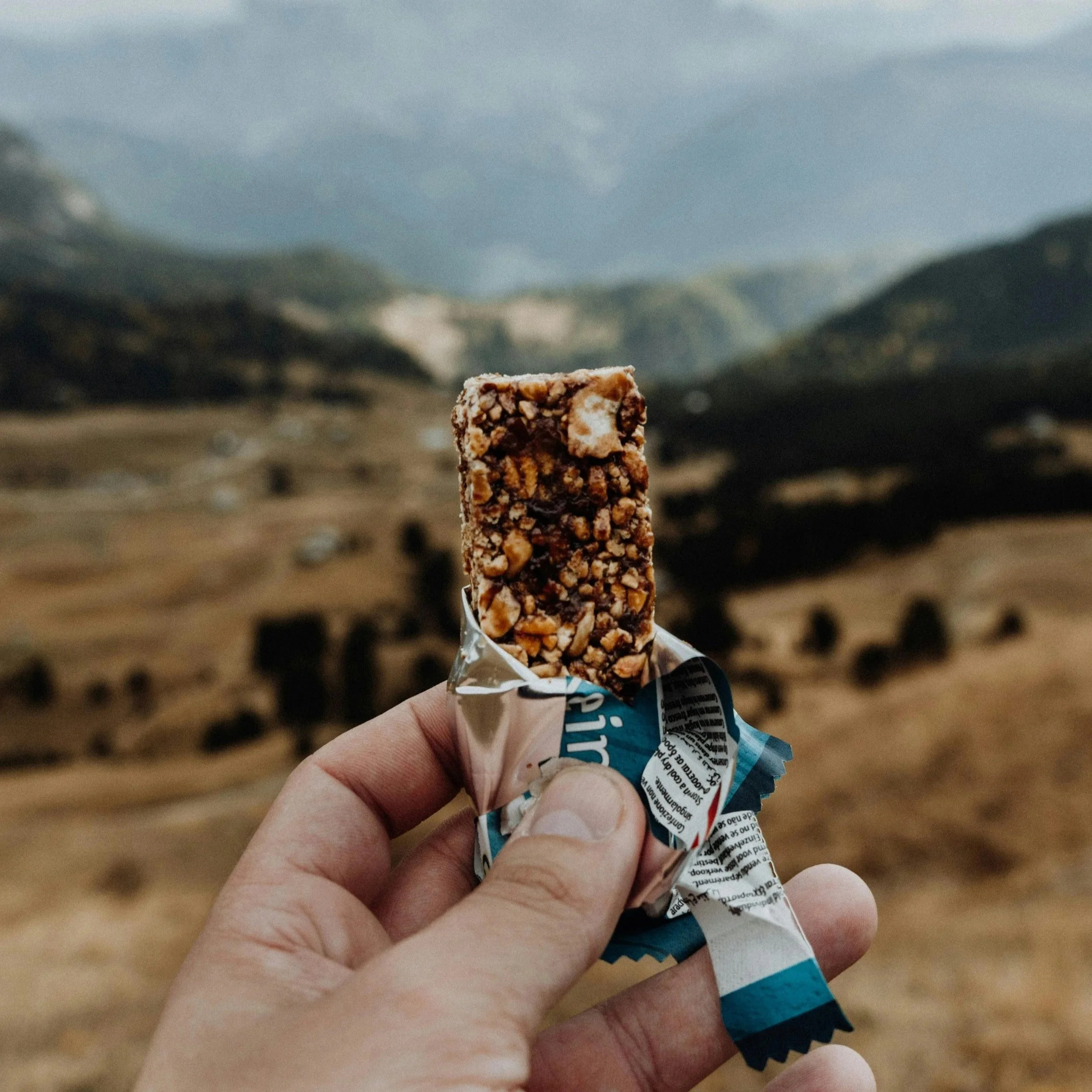
When someone as influential as Joe Wicks uses fear to sell a narrative about food, it matters. His recent launch of the so-called “KILLER protein bar” - complete with claims that ultra-processed foods (UPFs) can cause cancer, stroke, diarrhoea or early death - has shifted the conversation from nutrition to panic.
As a psychologist and eating disorder recovery coach, I’ve seen first-hand how fear-based messaging about “good” versus “bad” foods spirals into confusion, shame, and disordered eating. A “healthy diet” isn’t about avoiding one snack or one type of food, context and your relationship with food matter far more.
Demonising one food
Joe Wicks’ message is extreme and oversimplifies a complex issue. By pointing the finger at one product and suggesting that eating a single bar could cause serious disease, it encourages all-or-nothing thinking. People start to believe they must cut out all processed foods to be “healthy.”
This kind of narrative fuels fear around food. In my practice, I’ve seen clients agonise over granola bars or cereals, wondering whether they’re “safe.” That’s not “healthy” and just makes people feel anxious about food.
Context matters
What’s missing from Joe Wicks’ analysis is an understanding of why people eat UPFs in the first place. Sometimes it’s because they are cheap, convenient, and because they have a long shelf-life. Sometimes because time, money, or skills limit options.
We live in a world where eating healthily often costs more - and this blanket demonisation of food ignores those structural barriers.
We need to understand context and consider nuance when talking about protein bars, or UPFs…
If someone recovering from anorexia uses a protein bar to help meet energy or protein needs, that’s often a wise, compassionate choice.
If someone eats a protein bar within a varied diet rich in whole foods, occasional (or even daily) use is not harmful.
If someone depends almost entirely on UPFs, then yes - encouraging more whole foods is valid, but only if it’s affordable to do so.
We can’t treat one snack as the enemy. What matters is the overall pattern: how much of the diet is UPFs, why those foods are chosen, and whether “healthier” options are accessible.
💚 Want help making sense of all this food confusion? Join my free masterclass to learn how to move away from fear-based eating and rebuild a calm, balanced relationship with food. Join the masterclass here.
The real issue
Fear sells. It’s easy to gain clicks and followers with dramatic claims like “this snack might kill you.” But when you have over 4 million followers, that influence comes with responsibility. Some people will take it literally. Others will internalise the fear and begin to restrict, obsess, or avoid foods altogether. That’s how disordered eating takes root.
The problem lies not just in the bar, but in the style of communication. Demonisation shifts attention from sustainable behaviour change to shame and restriction.
What does science say about UPFs and a “healthy diet”?
The science does show correlations between UPF consumption and some health risks - but let’s be clear: correlation isn’t causation.
There’s a negative correlation between ice-cream sales and shark attacks (both rise in summer), but that doesn’t mean eating ice-cream causes shark attacks. Both are influenced by a third factor, i.e. warm weather.
Similarly, when studies find that higher UPF intake is linked with diabetes or heart disease, it’s nearly impossible to separate those effects from other lifestyle factors.
If you want to eat a healthy diet, it’s not about cutting out every UPF. It’s about zooming out and looking at the bigger picture: what your meals look like across the week. If available to you, aim for balance across macronutrients, include enough fibre, and add variety and colour.
The Bottom Line?
It’s absolutely possible to eat a healthy diet that includes protein bars — even daily. Don’t let fear-mongering convince you otherwise.
If you feel stuck in fear or confusion around food, and want a helping hand to navigate this, you can book a call with me. I help people untangle the mess diet culture creates, rebuild trust in their bodies, and learn what it means to eat freely and well.
Or if you have any questions, just drop them in the form below and I’ll reply with some tips that you can implement straight away.